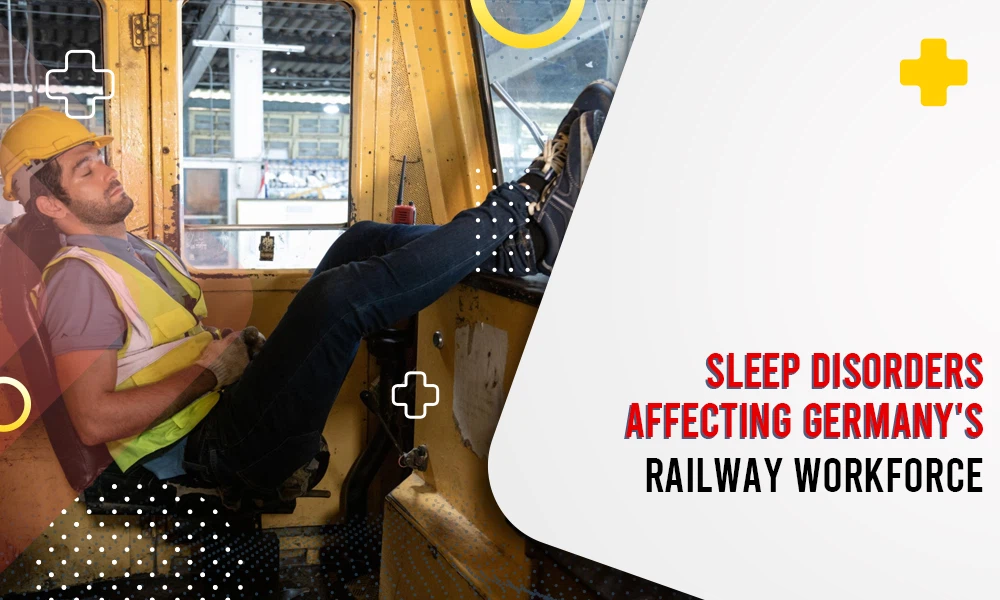
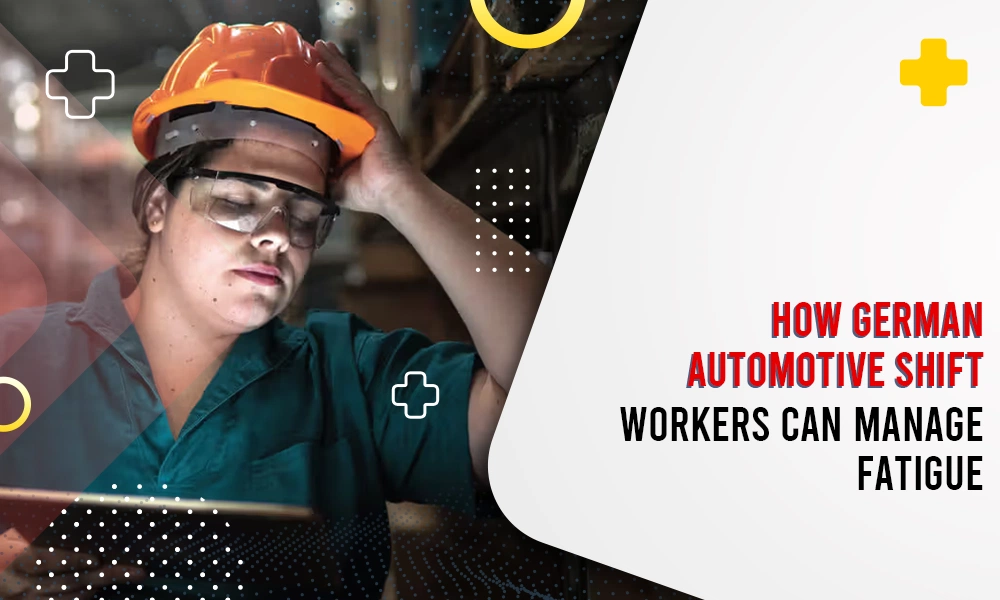
Germany’s rising sick days may not be just a productivity story. Poor sleep, long-term fatigue, and the way people actually live and work can all be part of it, and that’s the uncomfortable bit that gets missed.
The sick-day story in Germany
Germany’s sick leave has climbed to a record level, with workers averaging about 19.5 working days off in 2025, up from roughly 13 days in 2018, according to reporting on the DW piece and the underlying IGES data. That rise has become a political issue too, with Chancellor Friedrich Merz pushing tighter sick-note rules and saying the absence rate is hurting the economy.
There’s also a wider comparison problem here, because OECD figures use a different method and don’t make Germany look like the absolute outlier it sounds like in headlines. So the picture is a bit messier than “everyone is suddenly skipping work.” Still, Germany’s workplace fatigue keeps coming up in the background of these debates, especially when people are talking about burnout, recovery, and longer-term health.
Sleep is doing more work than people think.
This is the part that feels obvious once you say it out loud. If sleep is poor, concentration drops, reaction time slows, and ordinary tasks start feeling heavier than they should. Sleep deprivation is also tied to worse mood, lower resilience, and weaker workplace productivity, even before someone actually calls in sick.
And honestly, that can look like “just being tired” for a long time. People push through, drink more coffee, work later, and assume that’s normal. But persistent tiredness can feed into occupational fatigue, and occupational fatigue has a way of spilling into errors, irritability, and that weird foggy feeling where the day is happening but you’re not fully in it.
When tiredness feels bigger
Not every sleepy week means anything serious. But if someone keeps having excessive daytime sleepiness, that’s not the same thing as ordinary tiredness after a bad night. It can point to a sleep disorder, including narcolepsy or shift work sleep disorder, and those need proper medical assessment rather than guesswork.
Shift work sleep disorder is a real example because the body clock and work schedule just clash. Night shifts, rotating shifts, and broken sleep can cause insomnia at the wrong times and sleepiness when a person is supposed to be alert. That matters for the German workforce too, because the issue is not only “too much work” but sometimes work at the wrong time, with the wrong recovery in between.
Small changes that actually help
The basic advice is boring, but boring advice usually sticks around because it works. Healthy sleep habits matter: keep a regular sleep window, cut down late caffeine, and try not to treat bedtime like an afterthought. Exercise helps too, as does stress management, though I know that sounds annoyingly neat when real life is not neat at all.
If the problem keeps hanging around, that’s when it makes sense to speak to a healthcare professional. Especially if there’s snoring, waking unrefreshed, nodding off during the day, or struggling to stay awake in meetings or while driving. Employee well-being in Germany conversations often focus on workload and mental strain, but sleep deserves the same level of attention because it can sit underneath both.
A note on Modafinil and Armodafinil
These medicines do exist, but they are not general fixes for being worn out. Modafinil Germany and Armodafinil Germany are prescribed for certain diagnosed sleep disorders under medical supervision, mainly for conditions like narcolepsy and shift work sleep disorder, not for casual workplace tiredness or mental health problems. That distinction matters because people sometimes blur “tired” and “medically sleepy,” and those are not the same thing.
So yes, medicines can be part of treatment in specific cases. But they are not a shortcut around sleep, and they are not a replacement for figuring out why someone is exhausted in the first place.
The bigger picture
The Germany sick leave debate is partly about economics, but it is also about how modern work grinds people down in quieter ways. Some absences are clearly about illness, some are about recovery, and some may be connected to sleep problems that never get properly checked. That’s why workplace fatigue in Germany should probably be read less as a slogan and more as a clue that something upstream is off.
If tiredness is becoming normal, that is usually the sign to slow down and look harder. Sleep, stress, shift patterns, and health all sit close together, and when one starts slipping, the others often follow.
Frequently Asked Questions
1.Why are sick days rising in Germany?
There are several reasons, including more mental health absences and other common illnesses.
2. Can poor sleep cause more sick leave?
Yes. Lack of sleep can make people less alert, less productive and more likely to have trouble at work.
3. When should daytime sleepiness be checked?
If it keeps happening, or if you fall asleep at odd times, see a doctor.
4. Is shift work linked to sleep problems?
Yes. Night or rotating-shift work may interfere with sleep and lead to excessive sleepiness during the day.
5. Are modafinil and armodafinil for normal tiredness?
Nope. They’re used for diagnosed sleep disorders, with medical supervision.