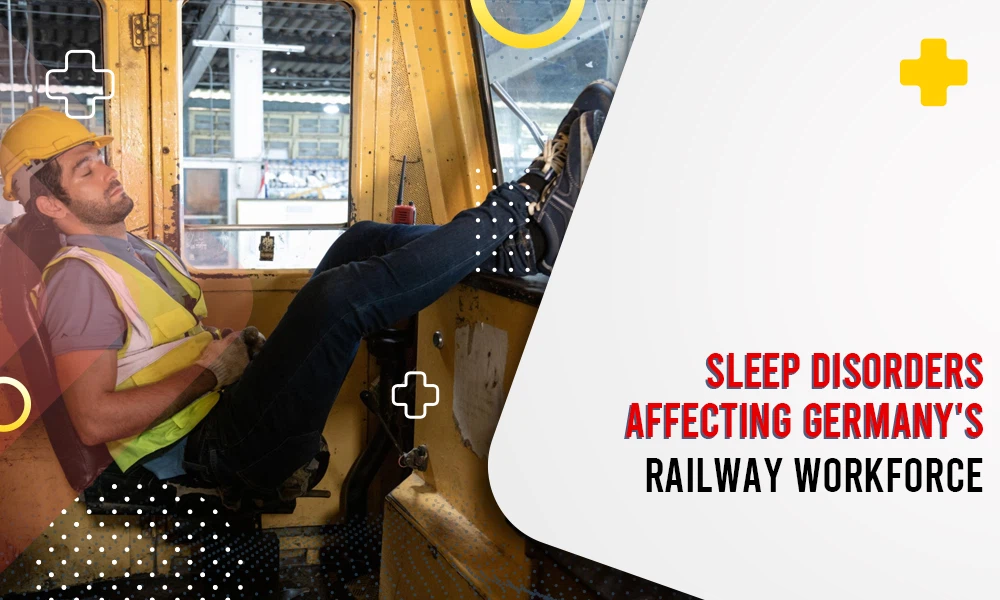
Germany’s car industry runs on a kind of rhythm that never really sleeps. The plants keep moving, the lines keep moving, and for German Automotive Shift Workers, that means the day often starts when most people are winding down, or the other way around. In a sector this large, shift work is just part of the machinery of modern production.
And honestly, that’s where the trouble starts. The work itself can be steady and repetitive, but the body does not always cooperate with the schedule. A lot of people in automotive manufacturing in Germany end up dealing with industrial shift work, and once sleep gets messy, everything else gets a bit harder too.
Why the schedule gets rough
The biggest problem is usually the rhythm, or lack of one. Rotating shifts can throw the body off in a way that sounds small at first and then suddenly feels huge. One week you are on days, then evenings, then maybe factory night shifts, and your brain never quite knows what time it is supposed to be.
That’s especially hard for German Automotive Shift Workers because the work is often physical, noisy, and repetitive. It is not the kind of job where you can just coast for a while. If you are tired on the line, you feel it fast.
Long hours make it worse. Even when the shift itself is not extreme, the buildup can wear people down. Sleep gets shorter, lighter, and more broken. And then you start carrying that fog into the next day.
The body tends to resist these changes, which sounds obvious, but people still underestimate it. Circadian rhythm disruption is not just a science term. It is that strange feeling of being awake when you should be asleep, then sleepy when you need to be alert.
What bad sleep does to you
When sleep is poor, the effects are not dramatic all at once. They creep in.
Concentration slips first, usually. You miss a small detail, then another one. Reaction time slows down too, which matters a lot on fast-moving lines. A tiny delay can become a real problem when the work is repetitive and quick.
For production line workers, that tiredness can easily turn into mistakes, frustration, or just a strange sense that everything is taking more effort than it should. Worker productivity drops, but more importantly, the person feels it. The shift feels longer than it is. That is often how night shift fatigue shows up, not as a collapse, but as a slow drain.
Some people also start dealing with excessive daytime sleepiness, which is more than just feeling a bit groggy after lunch. It is the kind of sleepiness that follows you around and makes basic tasks feel heavy. And when that happens regularly, it can begin to look a lot like workplace fatigue or sleep deprivation, sometimes even shift work sleep disorder if the pattern keeps going.
A few things that actually help
Sleep hygiene sounds a bit clinical, but the basics matter more than people want to admit. Dark room, quiet room, cool room. Same sleep window as often as possible. Less screen time before bed if you can manage it. Not perfect, just better.
For German Automotive Shift Workers, the hardest part is usually not knowing what to do, but doing it consistently when shifts keep changing. Still, even small routines help. A quick wind-down after work. Blackout curtains. Earplugs. Maybe a short nap, but not so long that it ruins the next sleep block.
Food can help too, though it is not magic. Heavy meals right before sleep usually do not help. Neither does trying to survive a shift on sugar and caffeine alone, even if that is tempting at 3 a.m. A more stable mix of protein, water, and lighter meals often feels better.
Exercise is useful, but timing matters. A bit of movement can improve sleep and help shake off the stiffness that comes with standing all day. Just maybe not right before bed if it wakes you up instead of calming you down. That part is annoyingly individual.
Managing shift changes is another one. If the schedule is moving around a lot, try not to flip your whole routine every single time. Even keeping one anchor point, like a fixed wake-up time on certain days, can make the transition less brutal. It will not solve everything, but it can soften the edge.
When tiredness is more than tiredness
Sometimes the issue is not just a rough week or a bad run of sleep. If ongoing sleepiness keeps showing up, it may need medical attention. That is especially true if you are regularly nodding off at odd times, struggling to stay awake in normal situations, or feeling unrefreshed even after enough hours in bed.
That can happen with shift work sleep disorder, but it can also point to something else, including narcolepsy or another sleep condition. The important thing is not to assume it is just part of the job forever. It might not be.
For German Automotive Shift Workers, this can be easy to brush aside because fatigue feels almost normal in this kind of setting. But normal and healthy are not always the same thing. If the sleepiness is persistent, a doctor or sleep specialist may want to look closer.
About wakefulness medicines
There are medicines such as Modafinil and Armodafinil that may be prescribed by healthcare professionals for certain diagnosed sleep disorders. They are not simple energy boosters, and they are not meant to replace sleep.
That distinction matters. These medicines are generally not intended just because the work is demanding or the hours are awkward. They are used in specific medical situations, and only a clinician can decide whether they are appropriate.
So if someone is struggling with severe sleepiness, the answer is usually not to push harder or rely on something quick. It is to get assessed properly. That sounds slow, but it is usually the safer route.
A final thought
The reality is that German Automotive Shift Workers keep a huge part of the industry going, and that takes real stamina. But stamina is not the same as ignoring fatigue. When sleep starts slipping, everything else starts slipping too, even if only a little at first.
If the tiredness is occasional, better routines may be enough. If it keeps coming back, it is worth speaking to a healthcare professional. Sometimes the fix is simpler than you expect. Sometimes it is more serious. Either way, sleep health is not something to shrug off.
Frequently Asked Questions
1. Why do shift workers feel so tired?
Irregular hours disturb sleep and the body clock.
2. Can night shifts cause sleep problems long term?
Yeah, they can. Working night shifts can affect your ability to fall asleep and stay asleep.
3. What is shift work sleep disorder?
It’s a sleep disorder that is caused by a work schedule that interferes with normal sleep time.
4. Do Modafinil and Armodafinil help with work fatigue?
They may be prescribed for certain sleep disorders, not just for tough schedules.
5.When should I see a doctor?
If the sleepiness continues or is severe it is worth getting it checked out.